

Secure Your Journey Essential Travel Insurance for Exploring Ukraine
Traveling to Ukraine is an incredible experience, but it’s essential to stay protected with the right visit Ukraine insurance. Getting covered ensures you can explore confidently, knowing you’re safe from unexpected medical or travel hiccups. Secure your peace of mind and focus on making memories.
Understanding Coverage Needs for Travel to Ukraine
When Maria booked her trip to Kyiv, she knew standard travel insurance wouldn’t cut it. Understanding travel insurance for Ukraine meant navigating a landscape where traditional policies often exclude active conflict zones. She discovered that most standard plans treat Ukraine as a high-risk area, leaving travelers vulnerable. The key was finding specialty providers offering comprehensive war-risk and evacuation coverage, which includes protection against missile strikes and civil unrest. Maria also learned to check for medical evacuation to a stable neighboring country, as local hospitals may be overwhelmed. By carefully reading policy exclusions—especially those related to military service or government advisories—she secured a plan that gave her peace of mind for her humanitarian work. Her advice: never assume “full coverage” applies; verify with the insurer directly.
Q: Is any travel insurance valid in Ukraine?
A: Most standard policies exclude war zones. You need a specialized high-risk travel insurance that explicitly covers active conflict, emergency evacuation, and war-related incidents.
Why Standard Policies Often Fall Short in Conflict Zones
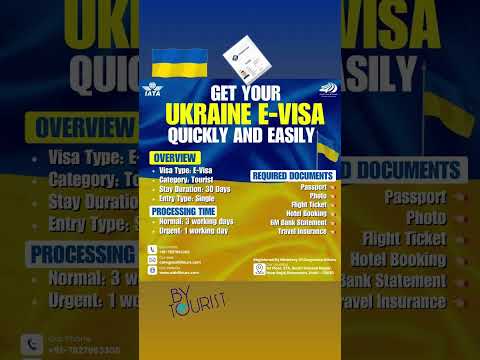
Assessing travel insurance for Ukraine requires acknowledging elevated risks, as many standard policies exclude active conflict zones. Your coverage must explicitly address war-related incidents, including missile strikes and civil unrest. Comprehensive war risk travel insurance is non-negotiable for Ukraine. Check for evacuation clauses—medical and security evacuation to a safe neighboring country—and verify that trip cancellation covers sudden embassy closures. Policy limits should be high, often $1 million or more for medical expenses, since local care may be limited. Additionally, confirm if your insurer permits travel when official advisories recommend against it, as this voids most standard plans.
Key Risks Not Covered by Basic Travel Insurance
Assessing travel insurance coverage for Ukraine requires a focus on **specific risk factors** in an active conflict zone. Standard policies often exclude war-related incidents, so you must verify if your plan explicitly covers injury, medical evacuation, or trip disruption caused by military actions. Check for security advice exclusions that void coverage if you travel against government warnings. Key elements to confirm include:
- War and terrorism event coverage limits
- Emergency medical evacuation procedures to a safe country
- 24/7 assistance provider availability in the region
Review any sub-limits for detention, kidnapping, or lost property due to hostilities. Always carry a hard copy of your policy’s full terms, as digital access may be unreliable.

War Risk Insurance vs. Standard Medical Evacuation Plans
Securing comprehensive travel insurance for Ukraine requires a sharp focus on war-specific exclusions, as standard policies often fail to cover conflict zones. You must verify that your plan includes emergency medical evacuation, which can cost tens of thousands of dollars, and covers potential cancellations due to sudden security escalations. Specialized travel insurance for active combat regions is not optional—it’s a non-negotiable safety net. Most providers now demand a current travel advisory check; entering Ukraine against official warnings can void your entire coverage. Always read the fine print for clauses on landmine injuries or drone strikes. Consider these critical elements:
- Evacuation & Repatriation – Can you be airlifted to a safer country?
- Medical Limits – Ensure minimum $500,000 coverage for injuries.
- Cancel for Any Reason – Vital if borders close at the last minute.
Medical and Emergency Evacuation Essentials
Medical and emergency evacuation planning is a non-negotiable aspect of any remote expedition or international assignment. Your kit must include a durable, waterproof medical pouch stocked with trauma supplies, prescription medications, and a comprehensive first-aid manual. For evacuation, prioritize a portable vacuum splint set and a compact, battery-powered satellite communicator to summon help. Crucially, verify your evacuation insurance covers helicopter hoist extraction and repatriation to a suitable medical facility, as delays can be fatal. Advanced preparation for remote medical emergencies also means training key team members in advanced wound packing and spinal immobilization. Without these essentials, a manageable injury can rapidly escalate into a life-threatening crisis, underscoring why global evacuation readiness is the cornerstone of safe adventure travel.
Hospital Access and Direct Payment Arrangements
Medical and emergency evacuation insurance is non-negotiable for any traveler heading into remote or high-risk areas. A single accident or sudden illness abroad can trigger costs exceeding $100,000 for air ambulance services. Your essential kit must include a compact first-aid pouch with trauma dressings, antiseptic wipes, and prescribed medications in original packaging. Never assume local clinics can handle serious trauma or cardiac events. Confirm your policy covers both medical evacuation to a suitable facility and repatriation of remains. Keep digital copies of your insurance card, passport, and a 24/7 emergency contact number stored offline and in the cloud. Without this preparation, a manageable injury can become a financial and logistical nightmare.
Air Ambulance and Repatriation of Remains Clauses
Nobody plans for a medical emergency, but having a solid evacuation strategy is non-negotiable when you’re far from help. Travel medical evacuation insurance is your first layer of defense—it covers helicopter rescues or air ambulance flights to a proper hospital, which can cost tens of thousands without it. Pack a compact emergency kit with:
- Basic wound care (bandages, antiseptic wipes, sterile gauze).
- Prescription meds plus a backup supply.
- Oral rehydration salts for severe diarrhea or heat exhaustion.
- A printed list of your blood type, allergies, and emergency contacts.

Before any trip, register with your embassy or a remote medical service like Medjet. Know the nearest evacuation hospital and how to contact local emergency services—even if that means memorizing a satellite phone number. Preparation buys you time when every minute counts.
Pre-existing Condition Exclusions in High-Risk Regions
Medical and emergency evacuation planning is non-negotiable for any remote or international operation. A robust protocol ensures rapid transport from a crisis site to definitive care, often using helicopters or air ambulances. Your evacuation strategy is your lifeline in a crisis. Critical components include a pre-vetted provider with 24/7 communication, a stocked trauma kit, and a designated point person. Without this, a simple injury can become a fatality. Immediate action, clear chains of command, and pre-arranged landing zones or hospital coordination are non-negotiable. Invest in this preparation to turn a potential tragedy into a controlled medical transfer.
Selecting the Right Policy Provider for Ukraine
Selecting the right policy provider for Ukraine requires a laser focus on geopolitical resilience and clear claims protocols. You must vet insurers with proven experience in the region, prioritizing those who understand the current risk environment and have a track record of paying valid claims despite active hostilities. Verify the provider’s reinsurance capacity explicitly, as this determines their ability to honor large-scale losses. Critically, examine policy wording for war exclusion clauses and specific definitions of “permitted perils.”
The provider who communicates transparently about changing risk assessments is far more reliable than one offering the cheapest premium.
Avoid opaque terms; demand demonstrable local representation or rapid remote settlement capabilities. Ultimately, the right partner is not the largest global name, but the one offering structured, enforceable coverage for your specific assets and operations in Ukraine.
Insurers Specializing in Active Conflict Zones
When Ukraine’s defense ministries sought a partner, they didn’t just need a name on paper—they needed a shield that understood regional volatility. Selecting the right policy provider meant vetting companies that had weathered economic sanctions and wartime disruptions firsthand. The winning firm offered not just coverage, but a crisis-response team that could process claims from bomb-damaged infrastructure within hours. They built their proposal around a single policy framework for Ukrainian risk assessment, mapping every factory, grain silo, and energy grid against military maps. This wasn’t a generic business deal; it was a survival pact forged in basements during air raid sirens. The provider’s edge wasn’t fine print—it was knowing the difference between a standard payout and a lifeline.
Comparing Local vs. International Underwriters

When selecting the right policy provider for Ukraine, prioritize insurers with a proven track record of settling claims in active war zones. Look for providers offering explicit “war risk” coverage rather than ambiguous general exclusions, as standard policies often fail here. Verify that the carrier maintains direct, accessible local claims offices in Ukraine or neighboring EU countries to ensure swift payouts. You should also check financial stability ratings—ideally A- or higher—since a solvent provider is critical when assets face missile strikes or infrastructure collapse. Finally, compare policy limits for total loss (hull) versus business interruption, as these vary dramatically between providers.
Reading the Fine Print on Trip Cancellation and Interruption
Choosing the right policy provider for Ukraine means prioritizing partners who can navigate complex regulatory and security landscapes. You want a company with a proven local track record and robust claims support, especially for war-related risks. Don’t just compare prices; look for clear terms on coverage exclusions. Key factors to evaluate include financial stability, speed of payouts, and whether they offer multilingual assistance.
Legal and Visa-Related Insurance Requirements
Navigating international travel or relocation demands more than just a packed suitcase; it hinges on meeting stringent legal and visa-related insurance requirements. Many nations, particularly within the Schengen Area, mandate that visa applicants provide proof of minimum medical coverage, often including repatriation benefits. This isn’t just bureaucratic red tape—it’s a critical safeguard. Failing to secure compliant travel health insurance can result in immediate visa denial or, worse, being denied entry upon arrival. Beyond tourism, expatriate and work visas frequently require proof of local liability or employer-sponsored coverage to satisfy immigration laws. Ignoring these dynamic stipulations can lead to hefty fines, legal proceedings, or deportation. Your insurance policy must explicitly match the destination’s specific mandates, turning a potential administrative headache into a seamless, protected journey.
Mandatory Insurance for Ukraine Entry Permits
When traveling or relocating abroad, understanding legal and visa-related insurance requirements is non-negotiable. Many countries demand proof of comprehensive health coverage—often with minimum coverage amounts—before they issue a visa. For example, Schengen Area nations require travel medical insurance of at least €30,000 to cover emergency repatriation and medical expenses. Similarly, work visas in countries like Australia or the UAE often mandate employer-provided health insurance or a private policy that meets local regulations. Failure to comply can lead to visa rejection, entry denial, or even deportation. Always double-check your destination’s specific rules, as requirements vary widely. Consult an immigration expert or your embassy to confirm the exact policy limits, deductibles, and coverage durations needed. Skipping this step could cost you time, money, and legal trouble.
Cross-Border Medical Coverage for Neighboring Countries
Legal and visa-related insurance requirements often mandate specific coverage for short-term and long-term stays abroad. For many visa types, such as the Schengen or UK Student Visa, applicants must prove they hold comprehensive medical insurance with a minimum coverage of €30,000, including repatriation.
Failure to maintain valid insurance throughout your stay can result in immediate visa revocation or denial of entry.
Key legal obligations typically include:
- Proof of coverage for emergency medical expenses and hospital stays.
- A policy that meets the host country’s minimum liability and evacuation standards.
- Compliance with local laws requiring continuous insurance without gaps.
Always verify specific requirements with the consulate, as penalties for non-compliance can include fines, deportation, or a ban on future applications.
Third-Party Liability and Vehicle Insurance for Drivers
Navigating international travel or expatriation demands a clear grasp of mandatory travel insurance for visa approvals. Many countries, including those in the Schengen Area, the United Arab Emirates, and Australia, require proof of comprehensive medical coverage before granting a visa. This policy must typically cover repatriation, emergency evacuation, and a minimum of €30,000 in medical expenses. Without this documentation, your application faces immediate rejection, leaving travel plans in limbo. Key requirements often include:
- Coverage duration: Must match the entire visa validity period.
- Deductible limits: Many visas demand zero deductible for approved treatments.
- In-network providers: Specific insurers or regional networks may be mandatory.
Relying on a generic policy can result in denied entry or deportation. Always verify that your chosen plan explicitly meets the host country’s legal stipulations, ensuring a seamless adventure from arrival to departure.
Practical Steps Before Departure and During Your Stay
Before departure, confirm your passport’s validity exceeds six months and secure necessary visas. Register with your country’s embassy and purchase comprehensive travel insurance. Digitize key documents like your itinerary and prescriptions. During your stay, prioritize local safety protocols by noting emergency exits and verifying accommodation security. Maintain situational awareness, avoiding displays of valuables. Carry a backup power bank and offline maps. For extended stays, establish a local contact and understand emergency services numbers. These essential travel planning steps reduce stress and enhance safety.
Q&A
Q: Should I exchange currency before or after arrival?
A: Before arrival for immediate expenses, but local ATMs often offer better rates for larger sums.
How to Verify Your Coverage is Active Upon Arrival
Before departure, complete critical logistics: pre-validate travel documents by confirming passport validity (six months beyond your return) and securing any required visas or health certificates. Photocopy all documents—store one set digitally and one with a trusted contact. Next, arrange travel insurance that covers medical emergencies, trip cancellation, and theft; notify your bank and phone provider of travel dates to avoid service disruptions. Create a day-by-day itinerary and share it with family, and pre-download offline maps and translation apps tailored to your destination. For your stay, prioritize safety with situational awareness: avoid displaying valuables, use hotel safes for passports, and only use licensed taxis or ride-sharing apps. Sustain communication efficiency by establishing a daily check-in routine with someone back home.
Preparation transforms uncertainty into confidence—your proactive planning is the single most powerful tool for a seamless, secure journey.
Documents to Carry and Emergency Contact Protocols
Finalize travel documents and insurance by confirming your passport’s validity for at least six months beyond your stay, securing required visas, and purchasing comprehensive travel insurance that covers medical evacuation. During your stay, store digital copies of these documents in a secure cloud service and register with your embassy.
At your destination, maintain situational awareness by reviewing local laws, emergency contacts, and cultural norms upon arrival. Prioritize personal security by using hotel safes for valuables, avoiding unlit areas at night, and sharing your itinerary with a trusted contact. Stay connected via a local SIM or eSIM for reliable navigation and communication.
Claim Filing Procedures While in a Conflict Zone
Before you fly, the key to a smooth journey is pre-travel preparation steps. You book your flight, but don’t stop there—check your passport’s validity six months out and snap a photo of it. You confirm your hotel, then set up a travel notification with your bank. You pack light, leaving room for souvenirs. As you lock your front door, you whisper, “I’ve got this.”
During your stay, local safety awareness becomes your compass. You arrive, drop your bags, and immediately walk the neighborhood—finding the nearest pharmacy and emergency exit in your hotel hall. You trust your gut more than GPS. You never flash cash, using only a hidden pouch. Each evening, you tip well, learn one local phrase, and text a friend your location. You’re not just visiting; you’re adapting, and that instinct keeps your trip memorable for all the right reasons.
Cost Considerations and Policy Duration Limits
Cost considerations and policy duration limits are fundamentally intertwined in insurance and subscription-based services. Premiums are typically calculated based on the level of risk over a specific term, with policy duration limits directly affecting the total cost. Shorter-term policies often have lower upfront costs but higher renewal rates, while long-term contracts may offer lower annual premiums but require a significant upfront commitment. Insurers also apply cost adjustment clauses that can increase premiums at each renewal based on claims history or market conditions. Policyholders must evaluate whether the fixed duration aligns with their financial capacity to avoid potential lapses or penalty fees. Balancing these elements ensures that coverage remains both affordable and continuous.
Q: Does a longer policy duration always reduce overall costs?
A: Not necessarily. While longer terms sometimes lock in lower rates, the total cost over time can be higher if the policy includes hidden fees or if you exit early. Always compare the annualized cost against potential penalty charges.
Short-Term vs. Extended Stay Premiums
When assessing cost considerations, always calculate the premium-to-benefit ratio across the policy term. Short-term policies with lower premiums often carry higher out-of-pocket exposure due to deductibles and co-pays, while longer durations lock in rates but may include annual escalators. Policy duration limits directly affect affordability:
- Annual renewable terms offer flexibility but risk premium hikes with age or claims.
- Multi-year or lifetime coverage stabilizes costs but requires upfront evaluation of future coverage needs.
To avoid gaps or wasted expense, align the duration with predictable financial exposure—short terms for temporary risks, longer terms for major asset or health protection. Expert advisors stress balancing cash flow against worst-case scenario costs, not just the cheapest monthly payment.
Factors Driving Higher Rates in Active War Areas
Cost considerations for insurance policies are directly tied to duration limits, as shorter terms often require higher premiums to offset risk concentration. Policy term length directly impacts premium affordability. For example, a 10-year term typically demands higher monthly payments than a 30-year term because the insurer must recoup administrative costs and risk exposure in a compressed window. Conversely, longer duration policies, such as whole life or 30-year term, spread costs, visit ukraine insurance reducing annual premiums but increasing total payout liability. Key factors influencing this balance include:
- Renewal risk: Shorter terms expose policyholders to potential rate hikes upon expiration.
- Cash value growth: Longer policies often allow for equity accumulation, lowering net cost over time.
- Age at purchase: Older applicants face steeper costs for extended durations due to higher mortality risk.
Refund and Modification Policies for Volatile Situations
When hunting for life insurance, your cash and how long you’re covered go hand in hand. Balancing premium costs with policy duration is key: a 30-year term might protect your family through your mortgage payoff, but it will hit your wallet harder than a 10-year plan. Term life is usually cheaper upfront, but those low rates disappear at renewal, often spiking dramatically. Permanent policies like whole life keep coverage for life, yet demand much higher premiums. A short-term policy might leave you uninsured just when you need protection most, while a long-term plan could strain your budget if your income changes. The sweet spot? Match the term length to your biggest financial obligations—like raising kids or paying off debt—without overpaying for coverage you’ll outgrow. Always check renewal options and rate guarantees before signing.